Managing projects in today’s business landscape isn’t what it used to be. Deadlines are tighter, client expectations are higher, and teams are often spread across time zones. Amid all this complexity, one thing has become clear: manual project management simply can’t keep up. That’s where project management automation steps in.
What is project management automation?
Project management automation is the application of software and AI-driven tools to automate repetitive tasks, such as scheduling, reporting, budgeting, and resource allocation, to improve efficiency, accuracy, and team productivity. Instead of updating spreadsheets, tracking hours, or manually generating progress reports, automated systems can handle these activities for you based on pre-set workflows, triggers, or conditions.
In simple terms, automation in project management transforms repetitive, administrative tasks into self-operating processes. This means that tasks like project planning, task management and other project processes can happen in real time, accurately and consistently, without taking valuable time away from your project teams – or project managers.
What project management processes can be automated?
Nearly every stage of a project’s lifecycle includes processes that can benefit from automation. The most popular processes subject to automation include:
- Task and Workflow Management: With automation, task creation and management is much simpler. With the right tools, project managers can automatically assign tasks, set due dates, and notify team members of status changes or project dependencies. This ensures smooth handoffs and eliminates miscommunication.
- Time Tracking: Time tracking is one of the key features in many project management tools. Still, with automation, it brings even more to the table. Use automated systems to log working hours directly from ongoing tasks or project activities, reducing administrative overhead and improving billing accuracy.
- Budget Tracking and Cost Management: Translating task assignments into cost has never been easier than now. Automation tools can do that in seconds, all while comparing planned versus actual expenses in real time, instantly highlighting any deviations or cost overruns before they escalate.
- Resource Management: Finding the right people for the job, even in multiple project, can be a fairly easy task with a project management platform that can keep its digital eye on people’s availability. Use such tools to automatically match available team members with the right projects based on their skills, capacity, and workload, ensuring optimal resource utilization.
- Reporting and Analytics: Monitor project progress by creating project reports automatically using real-time data, giving project managers and stakeholders an instant overview of performance metrics like cost efficiency, utilization rate, and milestone progress. Additionally, the best project management software can also offer AI insights and customizable templates, perfect for creating a bespoke digital environment for your business.
- Risk Management: Automation systems can detect potential delays or scope changes early by analyzing project trends, helping teams respond proactively rather than reactively. As a result, your project delivery will have a higher chance of success, regardless of the circumstances.
- Client Communication and Approvals: Automated reminders and approval workflows keep clients in the loop while reducing manual follow-ups from your team. They also take some pressure off your project managers, helping them monitor project performance in seconds instead of hours.
These automations not only save time but also foster better collaboration and ensure data consistency across every phase of the project.
Benefits of automating project management
Implementing project management automation tools brings measurable improvements in efficiency, accuracy, and profitability. By reducing repetitive manual work, automation frees teams to focus on strategy, problem-solving, and client collaboration, significantly boosting overall productivity. With team collaboration tools, their efficiency can be improved even further – and that can soon be reflected by other key metrics, including profitability and ROI.
Further on, project management automation also enhances accuracy and visibility. By automatically collecting and updating project data in real time, key processes are less prone to human error, allowing managers to plan projects and optimize resource allocations with no issues. Additionally, with reliable reports and live dashboards, they can also quickly identify issues, make data-driven decisions, and keep projects on track.
At the same time, automation improves communication and coordination. Automated notifications and updates keep everyone aligned without the need for constant check-ins or manual follow-ups, all while making manual data entry a thing of the past.
Finally, automating project management scales effortlessly as your business grows. It reduces administrative costs, minimizes human error, and prevents costly delays in mundane project workflows, creating a faster, smarter, and more predictable workflow that drives long-term success.
5 best project management automation techniques and strategies
While the advantages of project management automation are clear, the real challenge lies in knowing how to apply automation effectively to result in enhanced collaboration and reducing manual effort. The best results come from implementing strategic, targeted automation techniques that simplify workflows without removing human insight or control. Here are the most popular of them.
Automated Task and Workflow Management
One of the most impactful ways to automate project management is through intelligent task and workflow automation. This approach ensures that tasks are automatically assigned, scheduled, and updated as projects progress, all while streamlining team communication with automated notifications. By creating rules and triggers, such as automatically informing a team member when a task is ready for review, teams can reduce delays and improve accountability.
Automated workflows also help prevent bottlenecks by ensuring tasks move seamlessly between departments or project stages. Managers gain real-time visibility into what’s done, what’s in progress, and what’s falling behind—all without manual updates, manual intervention, or constant check-ins.
Real-Time Resource Allocation
Effective resource management is one of the most complex aspects of project planning. Automation simplifies it by analyzing current workloads, skill sets, and availability to automatically assign the right people to the right projects. Real-time adjustments ensure that no one is overbooked and no resource sits idle, improving both efficiency and employee satisfaction.
Dynamic resource automation also helps teams adapt quickly to changes, such as new priorities or unexpected absences. By instantly reallocating assignments based on live data with task management automation, projects stay balanced, deadlines are met, and team capacity is optimized, allowing project managers to focus on critical decisions instead of individual project deliverables.
Automated Time Tracking and Cost Management
Tracking billable hours and monitoring budgets are essential for profitability—but they can also be tedious and error-prone. Automated systems record time entries directly from ongoing tasks, reducing manual effort and ensuring accuracy. These systems also link time data to financial tracking, allowing for real-time comparisons between planned and actual costs at every stage of project execution.
Thanks to an in-depth control of project costs, even in the most complex projects, this level of automation helps project managers detect budget overruns early and adjust course before they become critical. It’s a crucial step in maintaining profitability and project health and ensuring that every project aligns with financial expectations.
Smart Reporting and Analytics
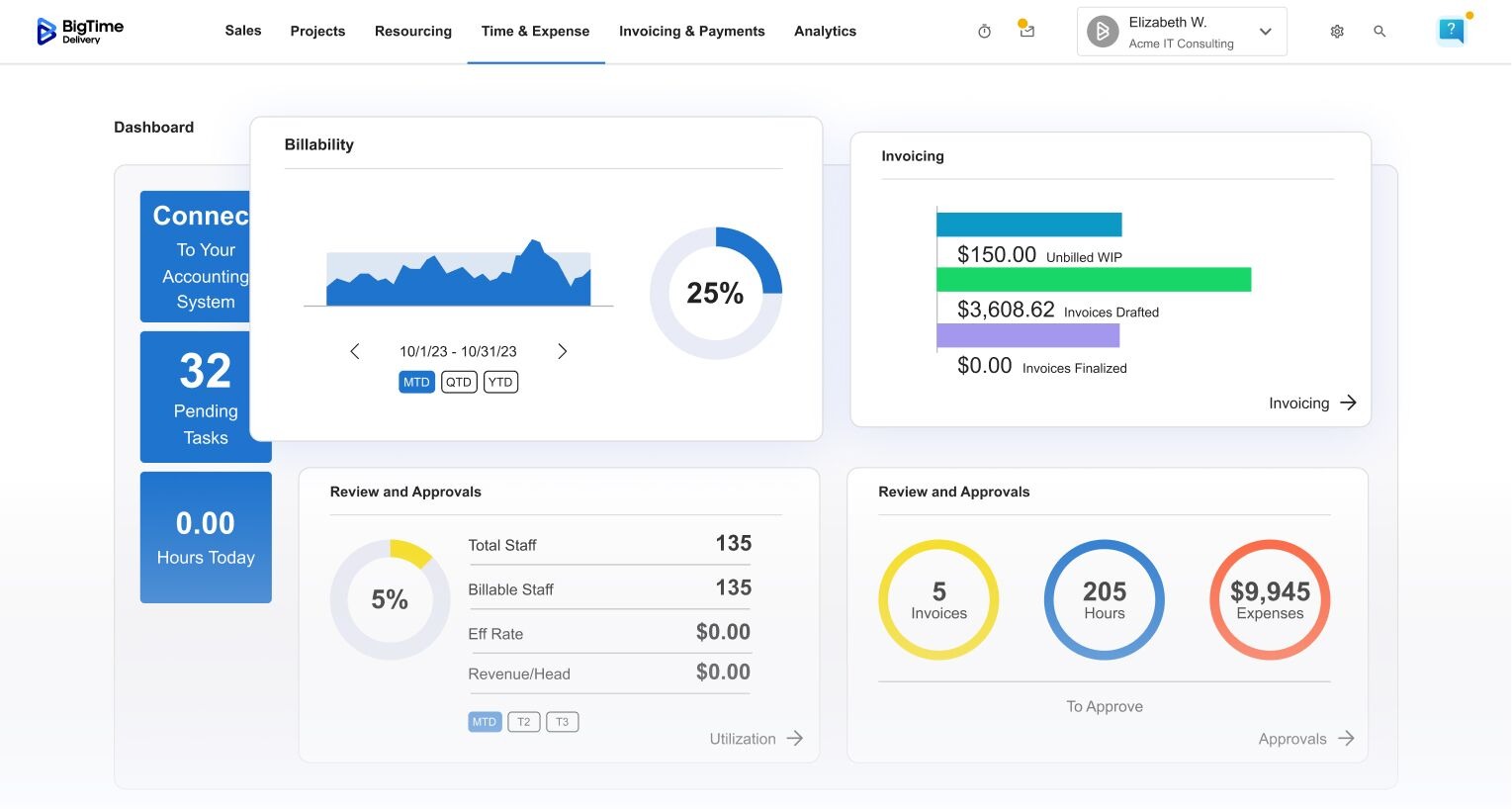
Project managers rely on data to make informed decisions and ensure project success, but gathering that data manually can take hours. Automated reporting eliminates this challenge by generating detailed, real-time reports on project management metrics, costs, and resource usage. Dashboards can be customized to highlight key indicators, offering immediate insights without the need for manual input.
By turning raw data into visual, actionable information, automated analytics empower managers to identify trends, track progress, and make adjustments that lead to more successful project outcomes. As a result, such project management automation tool streamlines processes, reducing operational project tasks to an absolute minimum.
Predictive Planning with AI
Do you manage tasks with dozens of minor, manual adjustments? With the right project management automation tools that can change. The next level of project management automation involves predictive analysis powered by artificial intelligence, automating routine tasks and improving team’s workflow by eliminating common errors. Instead of simply tracking what has happened, AI-driven systems forecast what’s likely to occur based on historical data, team performance, and risk factors, introducing enhanced risk management and improved planning to your business.
Predictive automation can anticipate project delays, suggest timeline adjustments, or identify potential budget risks before they materialize. This forward-looking approach transforms project management from a reactive process into a proactive strategy, helping businesses stay ahead of challenges and deliver consistent results.
Which project management software can help me with process automation?
Choosing the right project management automation tools is one of the most important decisions a company can make when transitioning from manual processes to fully optimized workflows. Whether you try to boost productivity with better planning or streamline financial management, the right (or wrong) tools decide the fate of your success.
The ideal software should do more than just track tasks or deadlines—it should connect all aspects of your projects, from planning and budgeting to reporting and delivery, within a single intelligent system. Still, while there are dozens options available on the market, there are only a few platform with automation capabilities that can truly move your business to another level. BigTime is one of them.
What makes BigTime stand out?
When it comes to project management automation, BigTime sets the standard for what modern teams can achieve with the right technology. While many existing tools claim to streamline workflows in an user-friendly interface, BigTime goes further by bringing together every essential project management function—planning, resourcing, budgeting, tracking, and reporting—into a single, fully connected platform.
As such, BigTime offers:
- Smart Resource Management: BigTime intelligently allocates resources by matching the right people with the right projects based on availability, skills, and workload. Its automation ensures teams are neither overbooked nor underutilized, optimizing both productivity and profitability, all while accounting for task dependencies and project risks – automated notifications will inform you about any arising issues.
- Automated Time and Expense Tracking: With built-in time tracking, BigTime automatically records billable hours and expenses, linking them directly to projects and budgets. This eliminates manual entry errors and keeps project finances accurate at all times.
- AI-Driven Insights and Report Generation: BigTime’s automation extends into analytics, generating real-time reports and visual dashboards without manual setup. Managers can instantly see how projects are performing against timelines, budgets, and resource plans.
- Financial and Budget Automation: BigTime automates the most critical financial processes, from cost forecasting to invoicing. By continuously comparing planned versus actual budgets, it ensures full financial transparency and helps teams stay profitable.
- Scalable and Customizable Workflows: As your business grows, BigTime grows with you. It adapts to different project types, industries, and team sizes, allowing organizations to build automated workflows that reflect their unique operational needs.
- Seamless Integrations: BigTime connects effortlessly with major tools like QuickBooks, Sage Intacct, Jira, and Salesforce. These integrations enable teams to synchronize data across departments, preventing duplication and maintaining consistency across systems.
BigTime doesn’t just automate individual tasks—it transforms the way organizations manage projects as a whole. By combining intelligent automation with intuitive design, it helps businesses reduce administrative work, improve collaboration, and make smarter decisions faster.
Want to see what else BigTime can do for you? Book a demo or start a trial to experience the power of project management automation.