IT rarely looks expensive when you approve the first tool, the first cloud subscription, or the first “quick” upgrade. The cost creeps in quietly, then suddenly you’re staring at a growing stack of vendor contracts, overlapping cloud services, and “must-have” IT projects that feel impossible to compare. Meanwhile, business stakeholders want answers that are hard to pull from raw financial data: What are we really paying for? Which business units drive the most IT spending? Where are the unexpected costs coming from, and what does it mean for business growth?
That’s where it financial management (ITFM) earns its place. When it finance management is done well, it brings cost visibility, financial discipline, and better cost transparency to day-to-day decisions, without slowing down service delivery. Instead of arguing over numbers after the fact, teams can align technology investments with business priorities, track financial performance with the right performance metrics, and build a shared, mutual understanding between IT and finance teams.
Table of contents
- What is IT financial management (ITFM)?
- Definition of IT financial management
- ITFM vs IT budget management: what’s the difference?
- Benefits of ITFM
- What organizations should adapt IT financial management?
- What is IT financial management framework?
- Key components of IT financial management framework
- How IT financial management software can aid your processes?
What Is IT Financial Management (ITFM)?
IT financial management (ITFM) is a structured approach to planning, tracking, and optimizing IT expenditures by linking technology spend, cost data, and resource allocation to business objectives, services, and measurable business outcomes.
In many organizations, IT systems and service delivery evolve fast, but the financial process behind them stays stuck in old habits. That’s when cost allocation gets messy. ITFM brings structure to that chaos by creating reliable financial data and IT financial data flows that answer practical questions:
- What does each service cost?
- Where are we overspending?
- Which tech investments are actually helping meet strategic objectives?
- And what future costs should we forecast before they surprise us?
Most importantly, ITFM is not only about cost management or cost reduction. It’s also about cost transparency and business value. With the right IT financial management framework, teams can align technology investments with business objectives, compare IT investments fairly, and explain the financial impact of technology decisions in a way business leaders and other business functions can trust. The outcome is simple: enabling organizations to run IT like a measurable, accountable part of business operations, not a mysterious cost center.
ITFM vs IT Budget Management: What’s The Difference?
IT budget management focuses on one core question: how much can we spend, and are we staying within that limit? It’s mainly about building an IT project budget, setting spend targets for a period , tracking schedule variances, and making sure operational costs don’t spiral. That’s valuable, but it often stops at totals, which can hide what’s really driving IT spending.
IT financial management (ITFM), on the other hand, goes wider and deeper. ITFM is a financial management framework for running IT like a measurable business function. It looks beyond “are we over budget?” and asks: what are we paying for, who benefits, and what outcomes are we getting? That’s where cost allocation, cost transparency, and financial reporting come in. With ITFM, you can connect IT expenditures and technology spend to specific IT services, business units, and business objectives, then use financial insights to make informed decisions about technology investments, vendor management, and future costs.
In short: budget management is about controlling the number; ITFM is about controlling the story behind the number (the cost data, the drivers, and the financial impact).
Benefits of ITFM
Once IT financial management is in place, the conversation changes. Instead of reacting to invoices and trying to explain costs after they hit, teams gain ongoing financial visibility into IT services, technology assets, and technology investments. As a result, they can enjoy a variety of benefits, including:
- Cost transparency across IT services. ITFM shows what each service delivery area really costs, including associated costs like licensing, support, and shared infrastructure. That better cost visibility makes it easier to explain spend to business leaders and align expectations with reality.
- Smarter cost allocation to business units. With clear cost allocation rules, finance teams can map IT spending to the business units using the services, rather than lumping everything into one cost center. This reduces confusion and builds mutual understanding with business stakeholders.
- More accurate financial forecasting. ITFM makes it easier to forecast future costs by using historical trends, and planned changes in IT investments. That means fewer unexpected costs when renewals, growth, or cloud usage spikes hit.
- Improved financial reporting and performance metrics. ITFM supports clearer financial reporting with consistent project performance metrics tied to financial performance. Leaders can track trends in IT expenditures, utilization, and service costs without stitching together spreadsheets every month.
- Optimized resource allocation and planning. By connecting cost data to demand and delivery, ITFM helps resource allocation decisions (people, tools, and projects) match business priorities. This reduces underused tools, redundant systems, and misaligned investments.
What Organizations Should Atapt IT Financial Management?
ITFM isn’t only for massive, global companies with complex finance departments. In reality, any organization where IT spending grows faster than confidence in the numbers will benefit from IT financial management. If your environment includes multiple business units, a mix of cloud services and on-prem IT assets, and a long list of vendor contracts that renew “automatically,” you’re already in the zone where cost visibility and financial control start to matter as much as technical delivery.
IT financial management is especially valuable when technology investments directly shape customer experience, revenue, compliance, or operational resilience. In those cases, business leaders need more than a yearly IT budget. They need financial insights that connect technology spend to business objectives, clarify the financial impact of key initiatives, and support strategic planning without guesswork. ITFM also tends to pay off quickly in organizations juggling many IT projects at once, because it helps prioritize resources and reduce waste across overlapping tools and systems.
What Is IT Financial Management Framework?
An IT financial management framework is a structured way to run financial management in IT with consistent rules, data, and governance. Instead of handling IT spending through scattered spreadsheets and one-off approvals, the framework defines how you plan, track, allocate, and report costs across IT services. The result is repeatable financial management practices that improve cost transparency and strengthen financial control.
In practice, an IT financial management framework creates a shared language between IT and finance teams. It standardizes the financial process behind technology spend, so business stakeholders can trust the numbers and use them for decision making. That includes everything from cost allocation across business units, to financial reporting built on reliable financial data, to the ability to forecast future costs tied to cloud services, vendor contracts, and long-term service delivery. In other words, the framework turns ITFM from a “best effort” initiative into a system that keeps financial discipline in place as the organization scales.
Key Components of IT Financial Management Framework
A solid IT financial management framework is built from a few repeatable building blocks that keep technology spend understandable, defensible, and tied to real business outcomes. These components work together to turn raw financial data into financial insights, improve cost visibility across IT services, and help business leaders make informed decisions about tech investments and priorities.
Financial planning and IT budget alignment
This component covers how you plan IT spending before it happens, including annual and quarterly budgeting, scenario planning, and aligning the IT budget to business objectives. The goal is to make sure technology investments support business priorities and strategic objectives, not just keep the lights on. Strong financial planning also makes it easier to forecast future costs and avoid last-minute budget surprises driven by renewals, growth, or unexpected demand.
Cost allocation and cost transparency
Cost allocation defines how IT expenditures are assigned to business units, teams, products, or services, often through chargeback or showback models. Done right, it creates cost transparency by revealing who consumes what, why it costs what it costs, and where cost savings opportunities exist. This is one of the most practical ways to build mutual understanding between IT and business stakeholders, especially in large enterprises where IT can otherwise look like a single cost center.
Service-based costing for IT services
Service-based costing connects costs to IT services (not just departments), so organizations can understand the full associated costs of delivering each service. That includes direct costs (licenses, staff, vendors) and shared operational costs (infrastructure, platforms, support). With clearer service delivery economics, teams can improve project cost management and prioritize what drives business value.
Financial reporting and performance metrics
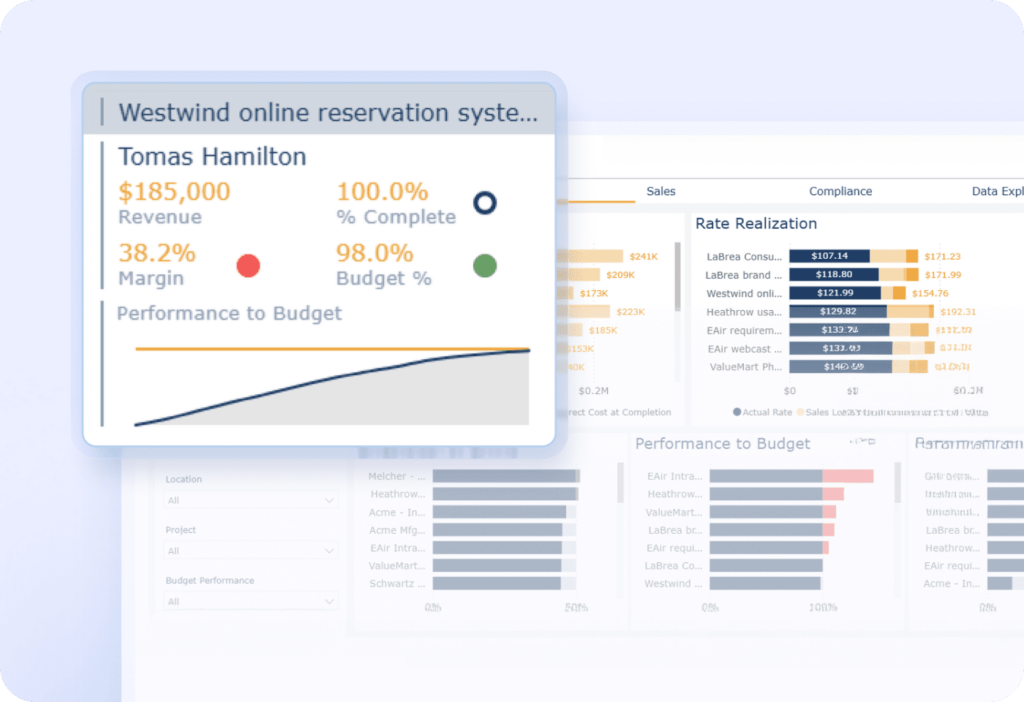
Financial reporting turns IT financial data into clear, repeatable outputs that different stakeholders can actually use. This includes executive dashboards and reports that track technology spend, trends in IT spending, and financial performance across services and business units. Paired with the right performance metrics, this component helps leaders monitor financial impact and spot risk early, without turning reporting into a burdensome monthly exercise.
IT asset management and lifecycle cost tracking
IT asset management is about tracking technology assets and IT assets throughout their lifecycle, from purchase to retirement. In an ITFM context, it also means understanding the full cost of ownership, including maintenance, upgrades, support, and replacement timing. This component improves cost visibility, helps prevent waste, and supports smarter decisions around IT investments, especially when older IT systems quietly drive future costs.
Vendor management and contract cost control
Vendor management within ITFM focuses on making vendor contracts measurable, comparable, and actively managed. Instead of only negotiating price, this component looks at usage, overlap, renewals, and the financial control required to avoid “set and forget” spending. It strengthens cost control, reduces redundant tools, and helps teams effectively account for the real cost drivers behind outsourced services and platforms.
Cloud financial management and spend governance
Cloud financial management becomes critical when cloud services scale faster than governance. This component connects cloud usage and spend to owners, services, and business units, improving better cost visibility and reducing unexpected costs. It also supports forecasting and ongoing cost reduction without breaking performance or slowing down delivery.
Governance, accountability, and decision support
A framework only works if people follow it. Governance defines who owns which parts of the financial process, how decisions are made, and how exceptions are handled. With accountability in place, ITFM supports decision making that’s consistent and defensible, whether you’re evaluating a dollar invested in a new platform, rethinking service management costs, or prioritizing IT projects against business growth goals.
How IT Financial Management Software Can Aid Your Processes?
If IT financial management lives in spreadsheets, it usually turns into a monthly fire drill. Someone pulls numbers from vendor contracts, someone else exports cloud services costs, and finance teams spend hours reconciling financial data that’s already outdated by the time the report lands. The result is predictable: limited cost visibility, weak cost control, and decisions made on partial information.
IT financial management software fixes that by turning it finance management into a living system, not a one-off exercise. Here’s what it changes in a practical, day-to-day sense:
- One place for IT financial data (no more “which file is right?”). A proper ITFM tool centralizes financial management information related to IT spending, IT assets, and technology assets. That creates consistent financial reporting and reduces the friction between IT and other business functions when it’s time to explain the numbers.
- Real cost transparency for IT services and business units. Instead of seeing technology spend as a single cost center, you can tie associated costs to specific IT services, projects, or business units. This supports mutual understanding with business stakeholders and helps business leaders see what they’re funding and why.
- Sharper cost management without “random cuts”. With clean cost data, you can spot waste (duplicate tools, underused licenses, bloated services) and pursue cost reduction that doesn’t break project delivery. This is how cost savings happen without sacrificing performance or creating bottlenecks.
- Smarter decisions on technology investments. When IT investments are connected to business objectives and strategic objectives, you can compare tech investments fairly and show the financial impact of each dollar invested. That leads to more informed decisions and stronger alignment across business operations.
In short, IT financial management software helps you move from “tracking spend after it happens” to actively managing financial performance as decisions are made, across budgets, services, assets, and technology investments.
Looking for IT Financial Management Software? Choose BigTime
If you’re serious about IT financial management, you need more than a place to store numbers. You need a system that turns IT financial data into decisions. That’s exactly why BigTime stands out as the best IT financial management software on the market: it brings structure to IT finance management, makes financial reporting easier to trust, and helps you run cost management without turning every month-end into a scramble.

BigTime supports the way modern IT teams actually work: across projects, services, and changing priorities. Instead of treating IT spending like a single, hard-to-explain cost center, BigTime helps you build better cost visibility around the work being delivered. It becomes much easier to connect technology investments to business objectives, explain the financial impact of an initiative, and make sure spending supports business outcomes rather than noise. When business leaders ask what they’re getting for the dollar invested, you’re no longer guessing or pulling screenshots from five different tools. You have a clear story backed by financial data.
And unlike tools that only help with one slice of the process, BigTime is built to support the full reality of financial management in IT, including the reporting and project planning that finance teams depend on. The payoff is simple: fewer unexpected costs, more consistent decision making, and a stronger link between IT investments and business growth.
Want to see how BigTime can support your ITFM goals? Book a free personalized demo and get a walkthrough tailored to your IT services, your business units, and the way you manage technology spend today.